

Free Football Predictions Today: Where to Find and Use Them
Discover where to access reliable free football predictions today ⚽, learn factors affecting accuracy, and get tips to enjoy betting smartly in Nigeria without losses 💡.
Edited By
Jessica Palmer
Predicting football match scores with 100% accuracy is a tough nut to crack. Football is naturally unpredictable, influenced by many factors that can change within minutes. Injuries, referee decisions, weather, and even unexpected tactical shifts often upset the best calculations.
That said, understanding key components can improve your chances of making more precise score predictions. First, consider team form. Look at recent performances over the last five to ten matches, not just wins or losses but also the quality of opposition faced. A team winning against stronger clubs but struggling against weaker teams shows inconsistency, which is a red flag for prediction.

Next, analyse home and away records. Nigerian league teams, for example, might play differently at home due to pitch conditions and fan support than in away matches. Some clubs historically score more goals at home but defend poorly away, so split your prediction accordingly.
Player availability is another major factor. Losing key players to injury or suspension changes a team’s dynamics. For example, a Lagos-based team missing their main striker might struggle to score, making a low-scoring game prediction more realistic.
Also, watch for head-to-head statistics. Sometimes certain teams have psychological advantages or play styles that trouble specific opponents. These matchups can greatly influence expected scores.
Data and stats alone won’t do all the work; qualitative insight from coaches’ interviews or local sports analysts can tip you off about subtle team issues.
Remember, even expert tipsters with years of experience rarely achieve full accuracy. Expect realistic results and focus on consistent improvement.
Study recent match stats focusing on goals scored and conceded.
Track injury reports and team lineups before making predictions.
Observe weather forecasts as heavy rain or heat affects playing style.
Use betting odds as an extra reference since bookmakers factor in diverse info.
Test different prediction models like Poisson distribution or machine learning if you’re tech-savvy.
While no method guarantees perfect outcome, combining statistical analysis with local knowledge and ongoing observation greatly lifts your prediction game. Nigerian football betting requires patience and attention to detail to avoid overconfidence and unnecessary losses.
Football score prediction is far from straightforward. Knowing why exact forecasting is such a tough nut to crack helps bettors and enthusiasts manage expectations and sharpen their strategy. From unexpected match events to psychological factors affecting teams, every game carries variables that influence the final whistle.
Unpredictable factors affecting matches play a leading role. Even the best teams can face sudden disruptions—an early injury to a key striker or a defensive blunder can change a match's course instantly. For example, a Nigerian Professional Football League (NPFL) game might be affected by a pitch suddenly turning muddy after heavy rain, impacting ball control and favouring more physical or adaptive teams.
The role of chance and randomness cannot be overstated. Football inherently involves moments of luck — a deflection, an unexpected bounce, or a referee’s subjective call. These moments make all the difference but are impossible to forecast accurately. Even matches with clear favourites often end with surprising scorelines because of these random elements.
Another important factor is the influence of team form and morale. A squad’s recent winning streak or internal disputes affect motivation and performance. For example, a team riding high on consecutive home victories may play with confidence sharp enough to overcome previous weaknesses. Conversely, off-field issues like delayed salaries, common in some Nigerian clubs, can sap morale, lowering prediction reliability based solely on stats.
Many assume team performance remains static, but squads fluctuate greatly. Players get injured or suspended, tactics change, and new signings affect dynamics overnight. Treating team quality as fixed risks missing real-time changes vital to accurate predictions.
Overreliance on past results is another trap. Just because a team beat an opponent convincingly last season doesn’t guarantee similar outcomes. Each match is discrete, shaped by current conditions rather than historical scores. Nigerian league matches illustrate this well; sudden coaching changes or form swings often reverse expected outcomes.
Lastly, many overlook external influences like weather and refereeing. Match conditions—sweltering heat in Ibadan or a slippery Lagos pitch—impact play styles and stamina. Refereeing styles, sometimes unpredictable in influence, can lead to penalties or cards that shift momentum. Ignoring these factors simplifies matches to mere numbers, limiting prediction accuracy.
Understanding these complexities helps you build smarter, more realistic football predictions. Acknowledging unpredictability prepares you for the twists matches throw, rather than chasing impossible perfect scores.
By integrating awareness of these elements, you stand a better chance of approaching football score predictions with the insight needed to improve over time.
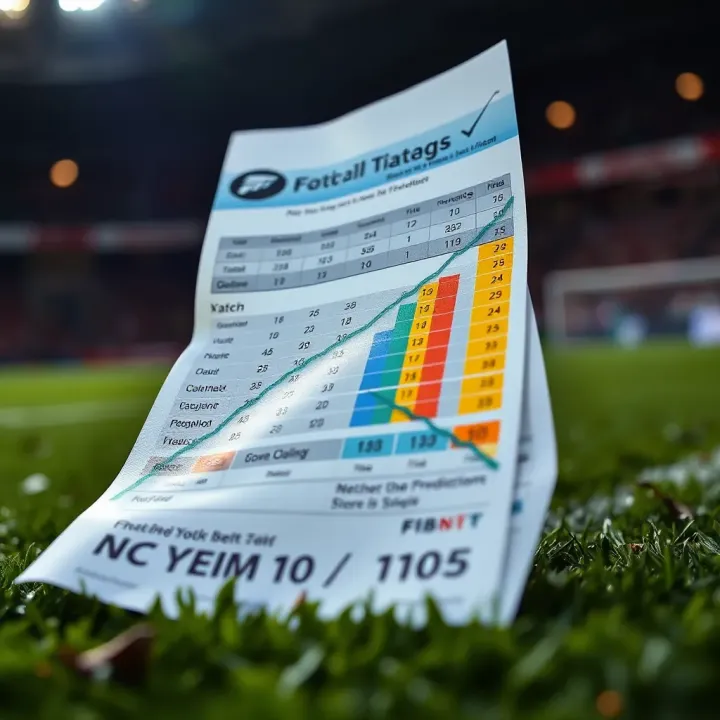
Statistical tools and models form the backbone of modern football score predictions. They offer a structured way to estimate match outcomes based on quantifiable factors rather than guesswork. For Nigerian bettors and sports analysts, understanding these tools can improve the quality of predictions and reduce reliance on chance.
The Poisson distribution model is a popular method used to predict the number of goals each team might score. It assumes that goals occur randomly but at a certain average rate, which can be estimated from past matches. For example, if a Nigerian Professional Football League (NPFL) team averages 1.2 goals per match, the Poisson model helps estimate the probability they score 0, 1, 2, or more goals in a given game. This allows bettors to gauge the likelihood of different scorelines, like 1-0 or 2-1. However, the model doesn't account for sudden changes like injuries or tactical shifts, so it works best alongside other approaches.
The Elo rating system offers a way to compare team strengths based on match results over time. Originally developed for chess, Elo assigns points to teams that rise or fall depending on wins, draws, or losses against opponents of varying strengths. Nigerian clubs in the NPFL or the Super Eagles can be rated against international opponents to gauge relative strength. This system updates ratings dynamically after every game, reflecting the current form more accurately than static rankings. For bettors, Elo ratings can guide expectations of match outcomes, especially when Nigeria's teams face foreign clubs in continental competitions.
Regression analysis techniques help uncover relationships between multiple variables affecting scores. By analysing data like shots on target, possession, fouls, or player fitness, regression models quantify how these factors influence the number of goals or the final result. For instance, a regression model might show that a Nigerian team’s goal likelihood increases by 0.3 if their striker is fully fit and starting. This statistical approach offers nuance by weighting various influences, making predictions more tailored and potentially more accurate.
Using historical match data is essential for building reliable models. Past NPFL fixtures, results from the CAF Champions League, and international friendlies provide a wealth of information about scoring trends. Nigerian bettors can extract patterns such as how often home teams score first or how certain teams perform in ember months when fixture congestion often takes a toll. Large datasets help stabilise predictions and smooth out anomalies caused by rare events.
Player and team statistics add valuable depth. Data on individual performances, injury records, suspensions, and squad rotations clarify who will actually be on the pitch. For example, if key players like Ahmed Musa or Wilfred Ndidi are missing for Nigeria’s national team, this directly affects scoring chances. Access to such stats from clubs and official sources is crucial for fine-tuning predictions, especially for Nigerian football where last-minute changes are frequent.
Live data from betting platforms and sports analytics introduces real-time insights. Platforms like Bet9ja or data providers such as Opta deliver minute-by-minute updates on possession, shots, and momentum shifts. Nigerian bettors can use this information during matches to adjust their strategies or hedge bets. Combining live analytics with pre-match models provides a comprehensive view and better support for score predictions.
Statistical models and rich data sources together equip punters to make informed decisions, but even the best tools can’t eliminate football’s unpredictability entirely.
In summary, understanding and applying these statistical tools and data sources can enhance score forecasts, especially when predicting Nigerian football matches and international fixtures. Using them together, rather than in isolation, increases the chances of more accurate and profitable predictions.
Improving accuracy in football score predictions demands more than just crunching numbers; it requires a deep understanding of the teams, match conditions, and other influencing variables. Practical approaches help connect theory with real-world situations, allowing bettors and analysts to make informed calls rather than guesswork. This section highlights critical factors worth examining closely to raise your prediction game.
Squad fitness and availability is fundamental when assessing a team's chances. A key player sidelined due to injury or suspension can dramatically shift the expected outcome. For instance, if a club like Enyimba is missing their main striker because of injury, their goal-scoring ability likely decreases. Similarly, the absence of a defensive anchor like the captain might expose vulnerabilities at the back. Keeping tabs on such latest news is crucial, especially during ember months when injuries tend to rise due to fixture congestion.
Tactical styles and coaching impact also shape how a team performs. Some Nigerian teams prefer a counter-attacking style, while others might focus on possession and build-up play. Knowing a coach's substitution pattern or game plan can provide edges in scoring predictions. Take a coach like Jose Peseiro at the national team level: his approach might influence not just the number of goals but also how the team reacts tactically during tight matches. Documenting these tendencies helps create more nuanced forecasts beyond raw statistics.
Home advantage and travel fatigue remain significant in Nigerian football. Teams often perform better at home, benefiting from familiar surroundings, local crowd support, and less travel stress. Conversely, an away team that travels from Lagos to Port Harcourt on a poorly managed danfo trip or via an overcrowded bus might arrive less fresh, affecting focus and stamina. These factors can tilt scorelines, especially in tightly contested league matches.
Weather conditions and pitch quality can make or break a game’s rhythm. During the rainy season, wet pitches in parts of Nigeria might slow down play and favour physically stronger sides. Conversely, dry, dusty pitches can affect ball control and passing accuracy. Some grounds, especially outside major cities, lack proper maintenance, causing irregular bounces or slippery surfaces. Factoring these variables helps adjust score predictions realistically, accounting for disruptions that don’t show up in pure stats.
Practical score prediction is about layering data with on-ground realities. No model thrives on numbers alone without appreciating team dynamics and match-day specifics.
In all, merging these practical insights with statistical tools can considerably lift your accuracy in forecasting football scores. It turns a good guess into a highly educated prediction—valuable whether you’re a punter, analyst, or avid fan.
Predicting exact football scores is a tough nut to crack, mainly because the sport involves many unpredictable factors. Understanding the limitations and risks involved helps set realistic expectations. It also safeguards bettors and enthusiasts from unnecessary losses or psychological strain. Without this insight, chasing 100% accuracy can lead to frustration and poor decisions.
Injuries and red cards often change the course of a match unexpectedly. For example, if a key striker is injured mid-game or a defender receives a red card, the team’s dynamics shift instantly. Such changes can affect goal-scoring chances and defensive solidity, making precise score predictions unreliable. This uncertainty means no statistical model can fully factor in these random swings.
These incidents are especially relevant during high-stakes Nigerian league matches, where squads may not have deep reserves to replace affected players. The unpredictability also increases when teams face each other multiple times in a season, with different injury statuses every time.
Unforeseen tactical changes by coaches during a match add to the challenge. A coach might switch formations, change player roles, or adopt a more aggressive or defensive strategy based on how the game unfolds. This could happen after the first 20 minutes or even in the last minute to protect a lead. Such tactical moves disrupt the flow and can flip expected outcomes.
For instance, a coach in the NPFL might start with a 4-4-2 but shift to a 3-5-2 mid-match to press harder. Predictive models that rely on pre-game data struggle to accommodate these fluid in-game adjustments, further limiting the possibility of an exact score prediction with full accuracy.
Financial risks of relying on perfect predictions are significant. Betting based on the hope of 100% correct scores leads to placing higher stakes to compensate for inevitable losses. Nigerian bettors often face volatile naira exchange rates and added financial pressure during ember months, increasing these risks.
Many bettors have lost big sums backing seemingly “sure” results, only to face unexpected match events like red cards or weather disruptions. The reality is clear: no model or tipster guarantees flawless score outcomes. It’s vital to manage betting budgets carefully and avoid chasing losses.
Psychological effect of losses and setbacks also weighs heavily on enthusiasts. Continuous wrong predictions, especially after investing time and money, can lead to stress, frustration, and even disengagement from the sport or betting. In Nigeria, where the social aspect of betting is strong, this pressure might cause bettors to seek quick recoveries through riskier bets, which often backfires. Recognising that mistakes are part of the game helps maintain a balanced mindset and enjoy football with a clearer perspective.
Aiming for perfect score prediction might sound tempting, but embracing the unpredictability helps you stay sharp, avoid big losses, and bet smarter over time.
Setting realistic expectations is essential when it comes to predicting football scores. Football is inherently unpredictable, influenced by countless variables from player form to last-minute tactical tweaks. Instead of chasing a perfect scoreline, understanding and managing what is achievable helps bettors and enthusiasts avoid costly mistakes and frustration.
Rather than aiming to pinpoint an exact score like 2-1 or 3-2 every time, set your sights on probable score ranges. For instance, recognising that a match between two strong defensive teams is more likely to end with one or two goals scored helps narrow down expectations. This practical approach aligns better with statistical models and real match behaviours. Nigerian league games, for example, often have lower goal tallies compared to European leagues, so adjusting your predicted range to around 0-1 or 1-2 goals per team could improve accuracy.
Another smart tactic is to focus on the goal difference—the margin of victory or draw—rather than the specific number of goals scored by each team. For example, predicting that a home team will win by one goal or that the game will end in a draw simplifies the prediction model. This method works especially well with games where exact scoring can be volatile. By prioritising whether a team wins, draws, or loses by a narrow or wide margin, you reduce the chance of being thrown off by a single unexpected goal.
Many seasoned bettors favour betting markets like the overall match result (win, draw, lose) or over/under goal totals rather than exact scores. These bets are generally less risky and have higher probabilities of success. For instance, betting that a match will have over 2.5 goals instead of trying to guess a 3-2 result avoids the pitfalls of pinpointing exact numbers but still lets you capitalise on match trends. This strategy suits punters new to football betting or those who want steadier returns.
Tapping into expert opinions and fan communities offers added perspective that raw statistics might miss. Many Nigerian football analysts and platforms provide match previews, tactical breakdowns, and injury updates that aren’t immediately obvious from numbers alone. Sharing tips with fellow punters helps gather diverse viewpoints and spot trends that improve your forecast’s quality. However, do weigh these insights carefully and avoid blindly following popular sentiment, which can sometimes be biased.
Building a disciplined and realistic approach not only protects your bankroll but also makes predicting football scores a more worthwhile and engaging experience.
By setting achievable prediction goals and broadening your analysis methods, you can sharpen your football forecasting skills while staying grounded in reality. This balanced mindset is crucial, especially when dealing with Nigeria's unpredictable football environment.
Discover where to access reliable free football predictions today ⚽, learn factors affecting accuracy, and get tips to enjoy betting smartly in Nigeria without losses 💡.

Catch live football on JuventusBet Live TV 📺 while betting safely with easy ₦ deposits and withdrawals. Enjoy top streams, legal tips, and better betting vibes in Nigeria ⚽💰.

Watch JuventusBet TV live streaming⚽️ in Nigeria! Learn how to register, enjoy various sports, use on any device📱, and tips for smooth access anytime, anywhere.

⭐ Explore JuventusBet, a top betting site in Nigeria 🇳🇬. Learn how to register, fund your account, and enjoy diverse sports betting options safely ✅
Based on 15 reviews